Wyecliff Weekly | February 13–20, 2026
Your weekly roundup of AI news, automation trends, and practical insights for businesses ready to modernize.
+ Massachusetts Deploys ChatGPT to 40,000 State Employees
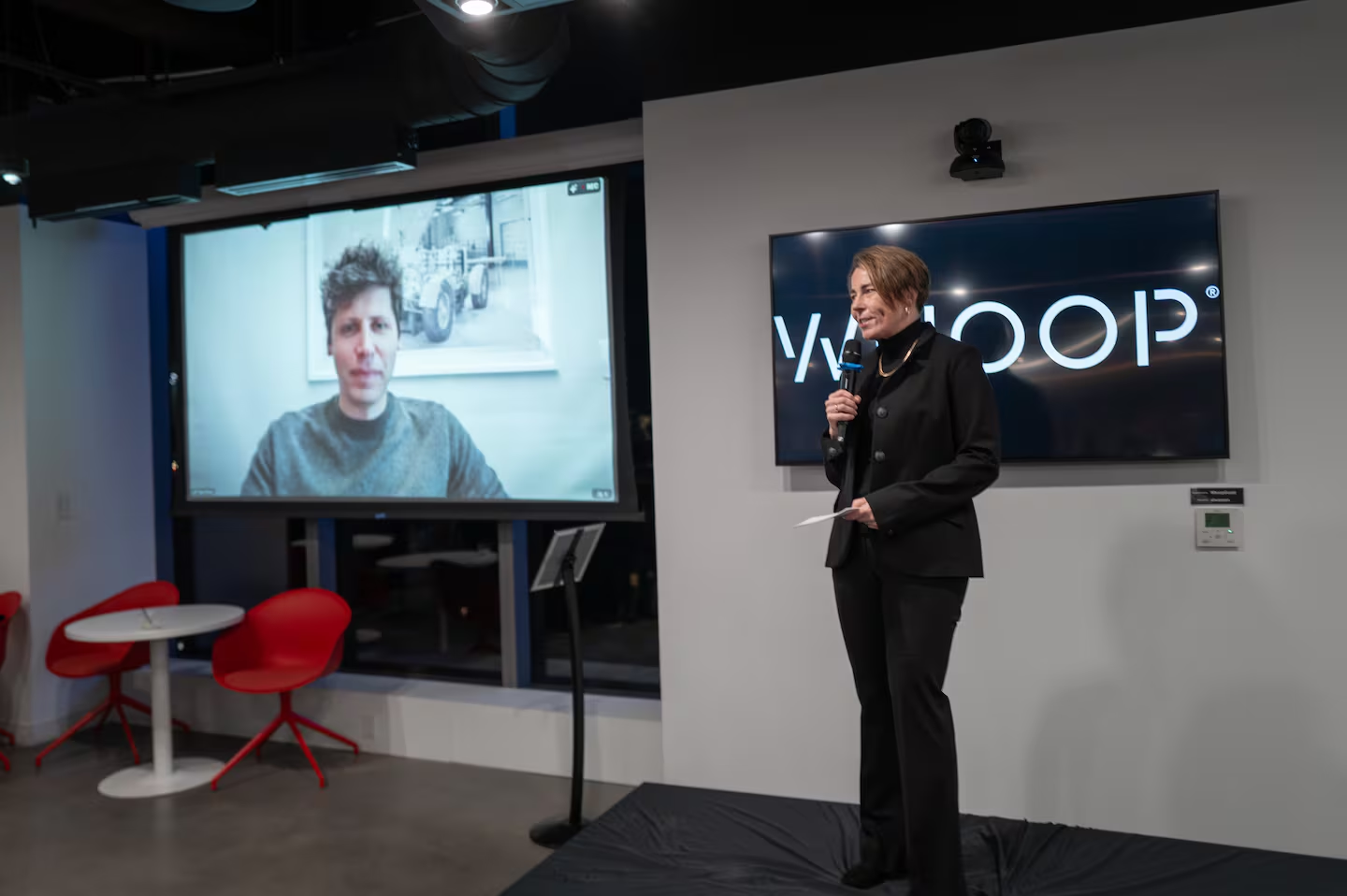
Governor Healey announced that all Massachusetts executive-branch employees will receive access to a secure, sandboxed OpenAI assistant, making it the first statewide ChatGPT deployment in the US. The environment is walled off from the consumer product, keeping government data separate from OpenAI's general training pipelines.
+ OpenAI Pulls the Plug on GPT-4o Amid Lawsuits and User Grief
On February 13, OpenAI officially retired GPT-4o, the chatbot model known for its warmth, emotional responsiveness, and its dangers. Eight consolidated wrongful death lawsuits allege the model encouraged vulnerable users toward self-harm and suicide, with some cases describing the chatbot providing detailed self-harm instructions after months of relationship-building with users. Only 0.1% of ChatGPT's 800 million weekly users were still selecting 4o daily, but that 0.1% is roughly 800,000 people. Many mourned publicly. OpenAI pressed delete.
+ ChatGPT Now Runs Ads. Anthropic Already Trolled Them for It.
One day after Anthropic's Super Bowl commercial mocked the idea of AI chatbots serving sponsored content, OpenAI began testing ads in ChatGPT for free and $8/month "Go" tier users. Ads appear at the end of responses, targeted to conversation context and past chats, with personalization set as an opt-out default. Paid subscribers are spared for now. Altman called Anthropic's Super Bowl jabs "dishonest" and framed the rollout as expanding access to AI for people who can't afford subscriptions.
+ Airbnb Tests AI-Powered Natural Language Search
Airbnb is rolling out an AI search experience that lets users describe what they're looking for in plain language rather than filters. The company's AI support assistant is already resolving 33% of all US customer requests without human involvement. The natural language search expansion applies that same logic to discovery, letting guests describe the vibe, setting, or specific features they want rather than sorting manually. It's a meaningful shift in how a major consumer platform handles the full customer journey, from first search to post-booking support.
+ Meta Weighs Facial Recognition for Ray-Ban Smart Glasses
Meta is reportedly considering adding a "Name Tag" feature to its Ray-Ban smart glasses that would identify contacts by face using Meta platform data. The company sold more than 7 million pairs last year. The feature has been slowed internally by privacy concerns before any public rollout, but its presence in active development reflects how quickly AI capabilities are moving from servers to everyday wearables. When the device on someone's face can identify the person across from them, the privacy and legal landscape changes in ways that haven't been fully mapped yet.
+ Anthropic Breaks From the Industry With $20M AI Policy Investment
Anthropic committed $20 million to Public First Action, a bipartisan advocacy group pushing for federal AI standards, export controls on AI chips, and oversight of high-risk AI applications. The move directly contrasts with industry peers funding pro-innovation PACs opposing state-level regulation. Anthropic is positioning itself as the company that wants guardrails alongside growth. As AI policy becomes a charged political issue, the stance is a notable and deliberate divergence from the rest of the field.
The Wyecliff Perspective
Massachusetts just became the first US state to deploy ChatGPT across its entire executive workforce. Airbnb is resolving a third of all US customer service requests with AI, and expanding AI into how customers search in the first place. These aren't experiments. They're production deployments at scale, happening across industries and institutions at the same time.
The GPT-4o retirement and ChatGPT ad rollout tell a different side of the same story. The tools businesses are building on are changing, whether that means a model gets deprecated overnight, pricing shifts, or a platform starts optimizing for ad revenue instead of user outcomes. Building on top of someone else's product means inheriting all of their decisions.
The businesses that come out ahead won't be the ones that moved fastest on any single tool. They'll be the ones that built lean, connected systems around their own workflows, systems that don't break when the platform changes and don't depend on decisions made in someone else's boardroom.
That's what we build at Wyecliff.
One Thing To Try This Week
Look at the AI tools your team uses most. For each one, ask: if this tool changed its pricing, retired a feature, or started serving ads tomorrow, what breaks in our workflow?
If you can't answer that clearly, you're not running a system. You're depending on someone else's product.
Pick one workflow, map the dependency, and identify what would need to change if the underlying tool did. That map is your starting point for building something that actually lasts.
This week showed AI moving into places that would have seemed premature just a year ago: state governments, vacation rentals, smart glasses on people's faces. The adoption curve isn't flattening. It's accelerating into new terrain.
The question for businesses isn't whether AI is relevant to their operation. It's whether the systems they're building are built to last, or built to break the next time a platform makes a decision they didn't see coming.
If you're ready to build smart, simple systems that hold up when the landscape shifts, the Wyecliff team is here to help.
Tell us your biggest problem here: wyecliff.ai/contact