Wyecliff Weekly | February 6–13, 2026
Your weekly roundup of AI news, automation trends, and practical insights for businesses ready to modernize.
+ Apptronik Raises $520M for Humanoid Robots, Triples Valuation to $5.5B
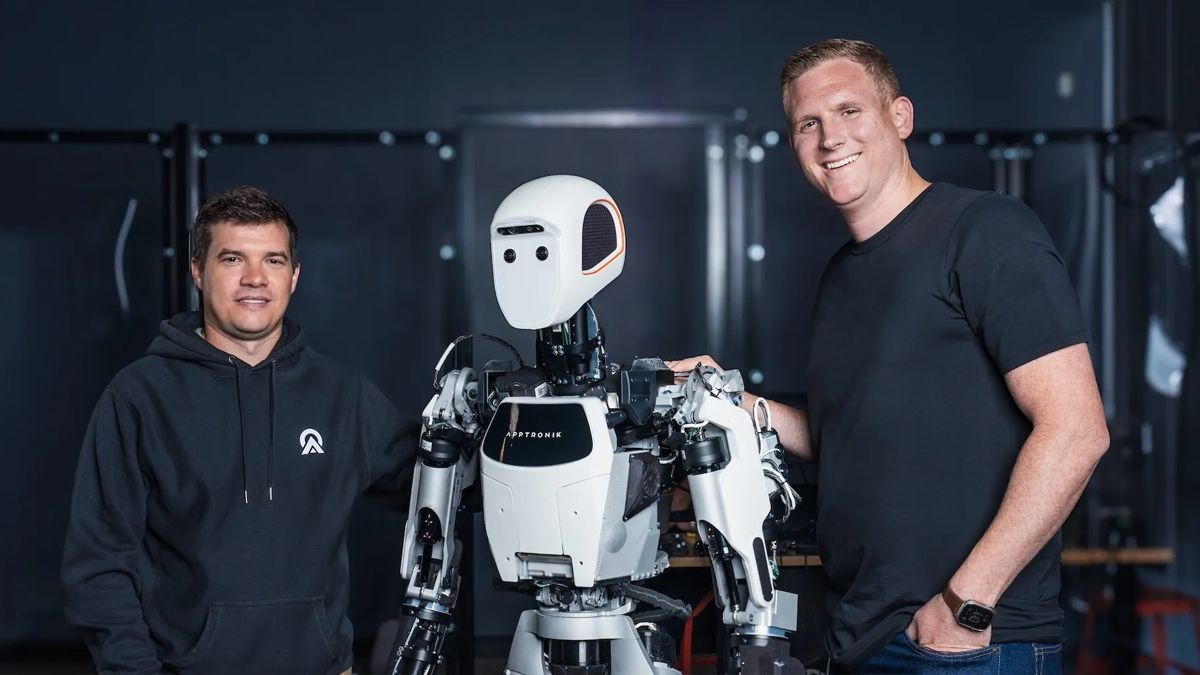
Austin-based Apptronik raised $520 million in a Series A extension, bringing total funding to nearly $1 billion. The round tripled the company's valuation to $5.5 billion in just one year. Apptronik's Apollo humanoid robot is deployed in pilot programs with Mercedes-Benz, GXO Logistics, and Jabil, with a strategic partnership with Google DeepMind to integrate Gemini Robotics models.
+ Ring's Super Bowl Ad Triggers Bipartisan Surveillance Backlash
Ring's Super Bowl commercial for "Search Party," an AI feature that scans neighborhood cameras to find lost pets, sparked immediate backlash across the political spectrum. The feature is turned on by default, requiring users to manually opt out. Ring says Search Party reunited more than one lost dog per day since launch and insists the system cannot process human biometrics.
+ Microsoft Tests Superconducting Power Cables to Solve Data Center Energy Crisis
Microsoft is testing high-temperature superconducting cables that transmit electricity with zero resistance and produce zero heat. The cables can be 10 times smaller and lighter than traditional copper lines, allowing data centers to increase electrical density without expanding physical infrastructure. Single data centers now require over 1 gigawatt of power. US government research projects data centers may consume 12% of US power supplies by 2028.

+ CES 2026's Weirdest AI Products Signal Market Confusion
Consumer Electronics Show unveiled AI products that critics called wasteful and overengineered, including a voice-controlled refrigerator that opens doors on command and a desktop holographic anime companion. Consumer protection groups named several products to their "Worst in Show" list for unnecessarily slapping "AI" labels on basic features.
+ Big Tech to Spend $650 Billion on AI Infrastructure in 2026
Alphabet, Amazon, Meta, and Microsoft forecast combined capital expenditures of roughly $650 billion in 2026, more than triple the peak spending of the 1990s telecom boom. Amazon leads with $200 billion, followed by Alphabet at $175-185 billion. The spending goes toward data center construction, AI chips, networking equipment, and power infrastructure.
**+ Musical Lollipop Uses Bone Conduction to Play Songs Through Your Skull*
A company called Lollipop Star introduced a candy that transmits music through bone conduction technology while you eat it. The musical lollipop sends sound waves through your jawbone to your inner ear as you consume the candy.
The Wyecliff Perspective
This week showed three different ways AI is reshaping infrastructure. One's physical. One's political. One's economic.
Microsoft is testing superconducting cables because AI data centers have hit a wall. You can't scale intelligence without electricity, and the grid can't keep up. Superconductors solve that by eliminating resistance. That's not an incremental improvement. That's a fundamental shift in what's physically possible.
Ring tried to sell AI surveillance as puppy rescue and got roasted by both parties. The backlash wasn't about the technology. It was about trust. When people see neighborhood cameras coordinating automatically, they don't think about lost dogs. They think about who else is watching. The feature works. The framing failed.
Apptronik raised $520 million for robots that work in factories, not demos. While competitors talk, they're shipping. Humanoid robots have been "five years away" for a decade. This is what it looks like when someone actually tries to close the gap.
All three stories share the same pattern. AI doesn't slow down for permission. The companies that win are the ones solving real constraints, not theoretical ones.
That's what we do at Wyecliff.
One Thing To Try This Week
Walk through your office and count how many tasks require physical presence. Someone checking a gauge. Someone moving a pallet. Someone watching a screen. Someone manually entering data.
Don't automate it yet. Just count it.
Write down the task, how often it happens, and what happens if it's delayed.
Then ask: if this didn't require a person to be physically present, what else could that person do?
That gap is where the $520 million is going. And where your next hire doesn't need to be a hire.
This week made it clear that AI infrastructure is no longer theoretical. Microsoft is solving power constraints with superconductors. Apptronik is putting robots on factory floors. Big Tech is spending $650 billion to build the physical systems that make all of this possible.
The question isn't whether AI will change how work gets done. It's whether your business will be ready when the infrastructure is in place and the systems that replace manual work are already running next door.
Tell us your biggest problem here: wyecliff.ai/contact