Wyecliff Weekly | March 6–12, 2026
Your weekly roundup of AI news, automation trends, and practical insights for businesses ready to modernize.
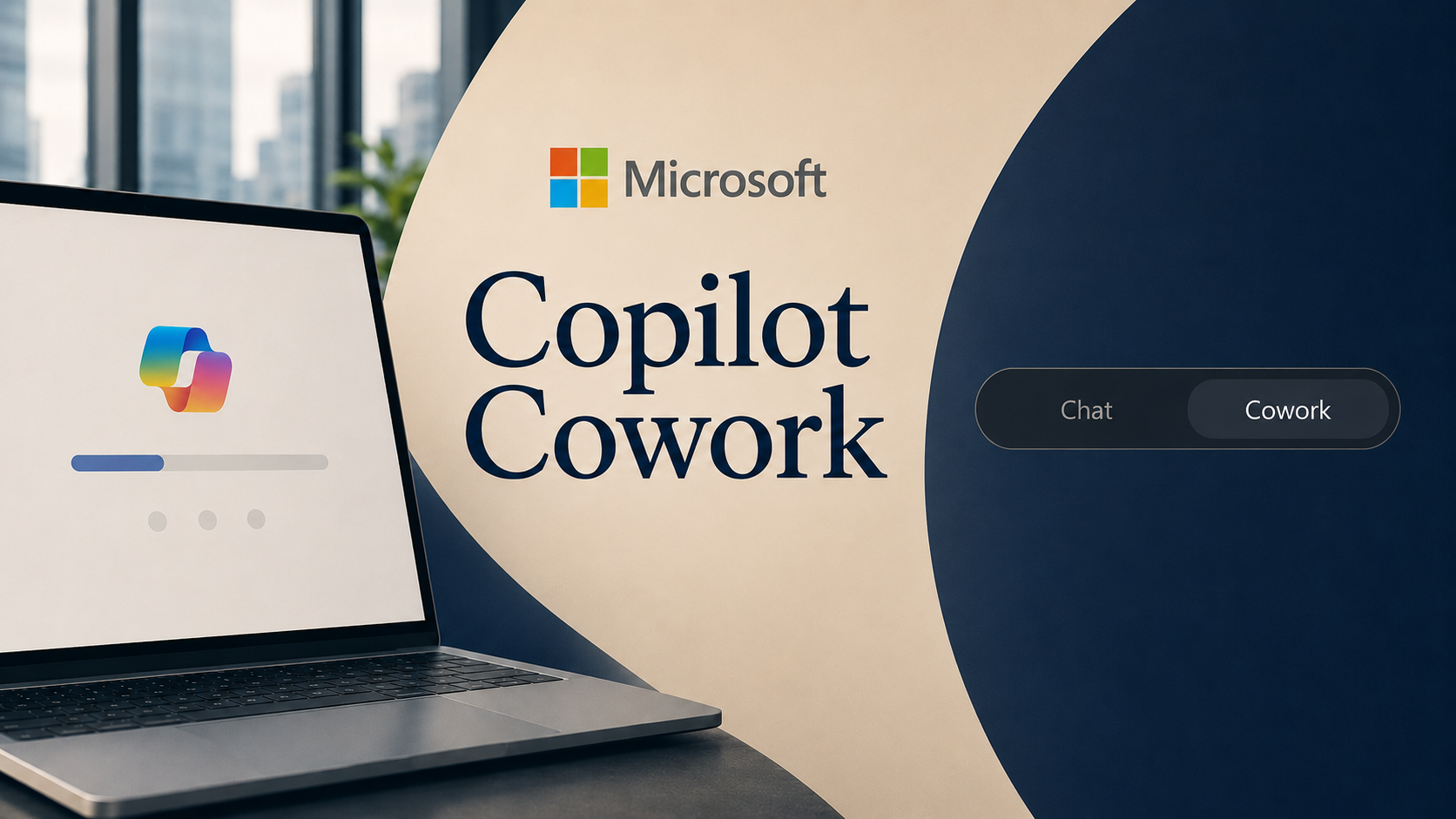
+ Microsoft Launches Copilot Cowork Inside Microsoft 365
Microsoft unveiled Copilot Cowork this week, a new AI-powered capability for Microsoft 365 designed to operate as a digital coworker inside your existing apps. It integrates with Teams, Outlook, Word, and Excel to handle tasks, generate content, and automate workflows without requiring users to leave their current tools. Microsoft is partnering with Anthropic to power some of the underlying capabilities. For organizations already in the Microsoft ecosystem, this is the clearest signal yet that the AI layer is no longer optional. It's becoming the operating layer.
+ Anthropic Sues the Pentagon. OpenAI's Robotics Chief Walks Out.
Anthropic filed suit against the Department of Defense this week, challenging the DOD's unprecedented designation of the company as a "supply chain risk." The designation came after Anthropic refused to remove safety guardrails around autonomous weapons and domestic surveillance of U.S. citizens. On the same day, OpenAI's head of robotics resigned, publicly citing concerns about the direction of OpenAI's Pentagon deal and the risks of unconstrained AI in lethal systems. The legal and policy fallout is still unfolding, and the industry is watching closely.
+ GPT-5.4 Is Here, and It's a Different Kind of Model
OpenAI released GPT-5.4 with a 1-million-token context window, 33% fewer factual errors compared to GPT-5.2, and API pricing starting at $2.50 per million input tokens. The model ships in three variants: Standard, Thinking, and Pro, and is built explicitly for long-running agentic tasks. Early benchmarks show it leading every other available model on agentic and long-context performance, though some narrow math benchmarks saw minor regressions due to post-training prioritizing agent behavior over raw computation.
+ Nvidia Invests $4B in Photonics and Teases NemoClaw Agent Platform
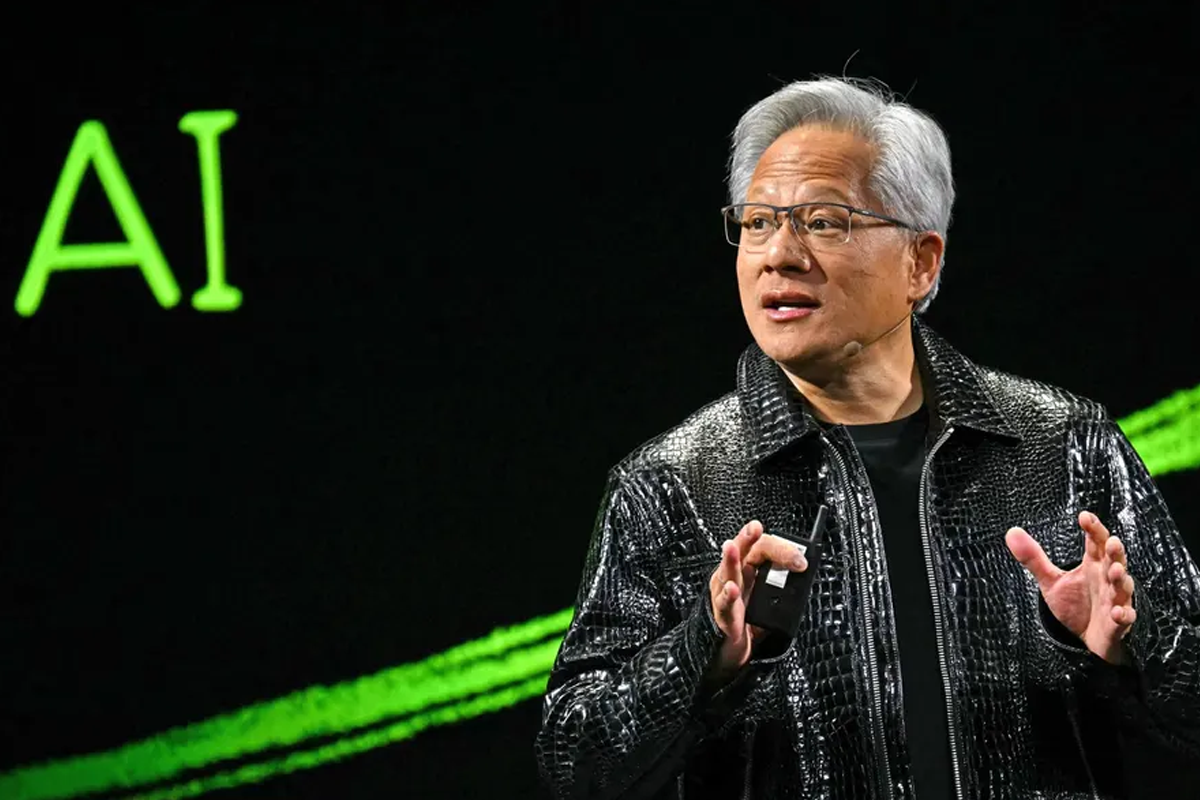
Nvidia announced a $4 billion investment in photonics firms this week, betting that next-generation optical chip technology is essential for sustaining the AI infrastructure buildout at scale. CEO Jensen Huang stated that "AI has reinvented computing and is driving the largest computing infrastructure buildout in history." Separately, reports surfaced that Nvidia is developing NemoClaw, a new agentic AI platform designed to reimagine how AI agents operate inside enterprise environments. Nvidia is no longer just a chip company. It is building the full stack.
+ China Clamps Down on OpenClaw AI at State Banks and Agencies
China's government moved this week to restrict the use of OpenClaw, a viral open-source AI agent platform, at state-owned banks and government agencies, citing security risks from default configurations that expose systems to cyberattacks and data leaks. The move stands in sharp contrast to the activity just days prior, when Tencent, Alibaba, and Baidu were actively promoting OpenClaw adoption and local governments were offering subsidies for businesses building on the platform. The crackdown is a signal that even the fastest-moving AI markets are starting to reckon with deployment risk. Adoption speed and deployment safety are not the same thing.
+ BCG and HBR Study: AI Is Making Workloads More Intense, Not Lighter
A new study from BCG and HBR found that asking employees to orchestrate complex AI agent teams causes cognitive overload rather than productivity gains, while simpler, well-scoped AI workflows reduce burnout and improve output. The finding directly challenges the assumption that more AI capability automatically translates to less work for the humans around it. One early user of a multi-agent Claude orchestration system described the experience as moving "too fast for me," with palpable stress from the pace rather than relief. The tool is only as useful as the system built around it.
The Wyecliff Perspective
Just this week, OpenAI released GPT-5.4, a production-grade agentic model. Microsoft announced Copilot Cowork, an embedded agent layer inside Microsoft 365. And chip manufacturer Nvidia is building the infrastructure and the agent platform on top of it.
The pieces are being assembled quickly, and the question is: "What does my workflow look like after new tools are in place?" The BCG and HBR study published this week made that point clearly. When teams are handed complex AI systems without a clear structure, they don't get relief. They have more to manage.
The businesses that win won't be the ones that adopted AI first. They'll be the ones who built clean, connected systems around it. Systems where AI handles the handoffs, humans make the decisions, and nothing sits waiting for someone to notice it. That's what lean, connected infrastructure actually means. And that's what we build at Wyecliff.
One Thing To Try This Week
Open Microsoft 365 Copilot and type this exact prompt: "Summarize my last 7 days of emails and flag anything that still needs a response from me."
Then take what it surfaces and paste it into a follow-up prompt: "Draft a brief reply for each of the flagged emails keeping it under 3 sentences and matching the tone of the original thread."
The whole thing takes under 10 minutes. If you don't have Copilot licensed yet, run the same exercise in ChatGPT by copying and pasting a few email threads manually.
Either way, the goal is the same: let AI do the first pass on your inbox backlog so you're making decisions, not digging.
This week made one thing clear: AI is no longer in the evaluation phase. It is embedded in the tools your team already uses, it is reshaping government contracts, and it is being deployed at a pace that is outrunning the systems businesses have in place to manage it.
The BCG and HBR study is the most honest story of the week. More AI without better structure just creates more noise. The advantage goes to the teams who build around it intentionally, not the ones who stack the most tools.
If you are ready to build smart, simple systems built around your business, the Wyecliff team is here to help.
Tell us your biggest problem here: wyecliff.ai/contact